Destinations

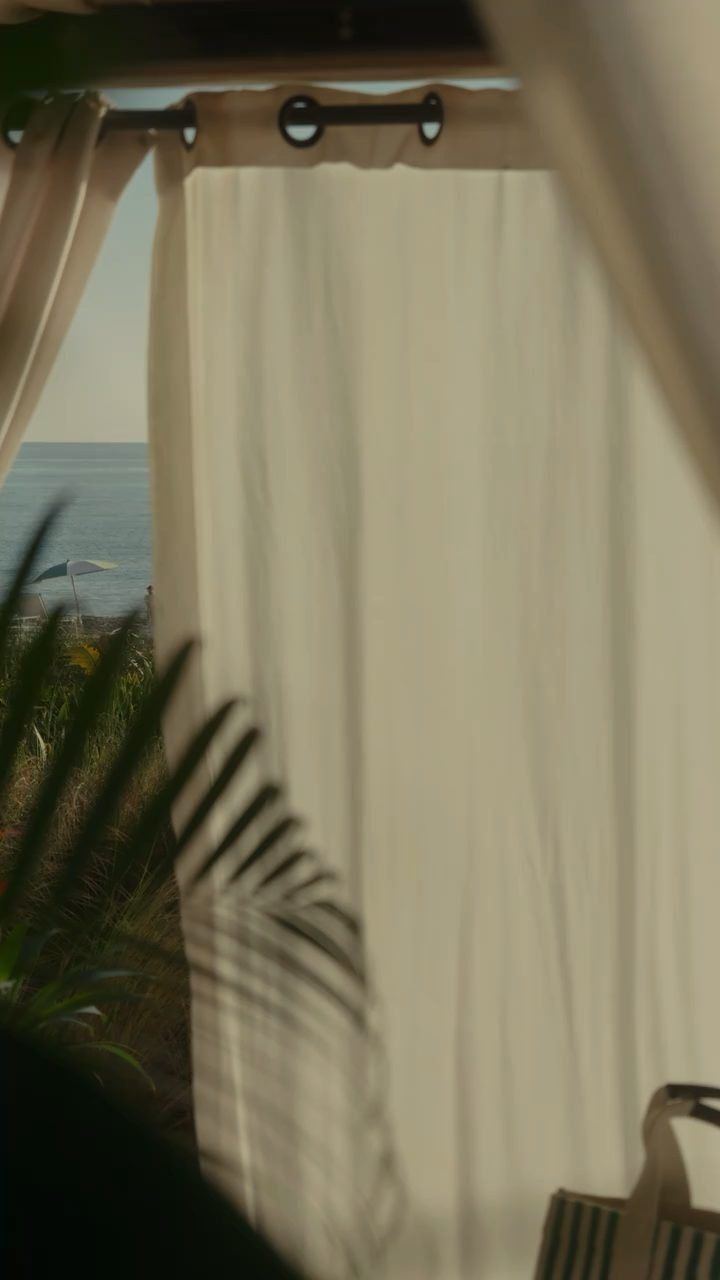
Portugal changed without making noise. Family quintas restored their outbuildings. Lisbon palaces opened their salons for private events. Wine estates built accommodations where contemporary architecture dialogues with 18th-century stone. It's not a revolution. It's a new attention matching what the territory already offered.
Investments over the past five years created a new generation of spaces. Sober architecture. Natural materials. Considered light. These places embody what Portugal carried in its DNA: Mediterranean sobriety, artisanal know-how transmitted for generations, nature preserved by geography as much as by choice. The difference from other destinations' ostentatious luxury reads in the details. Linen replaces velvet. Natural light becomes protagonist. Silence isn't an accident but an intention.
Our programs reflect this evolution. We compose journeys where a confidential wine estate precedes dinner in a private palace with 17th-century azulejos. Where a pottery workshop resonates with a deserted white sand beach. Where pace slows because space allows it.
Portugal doesn't seek to impress. It reveals what it is to those who take the time.
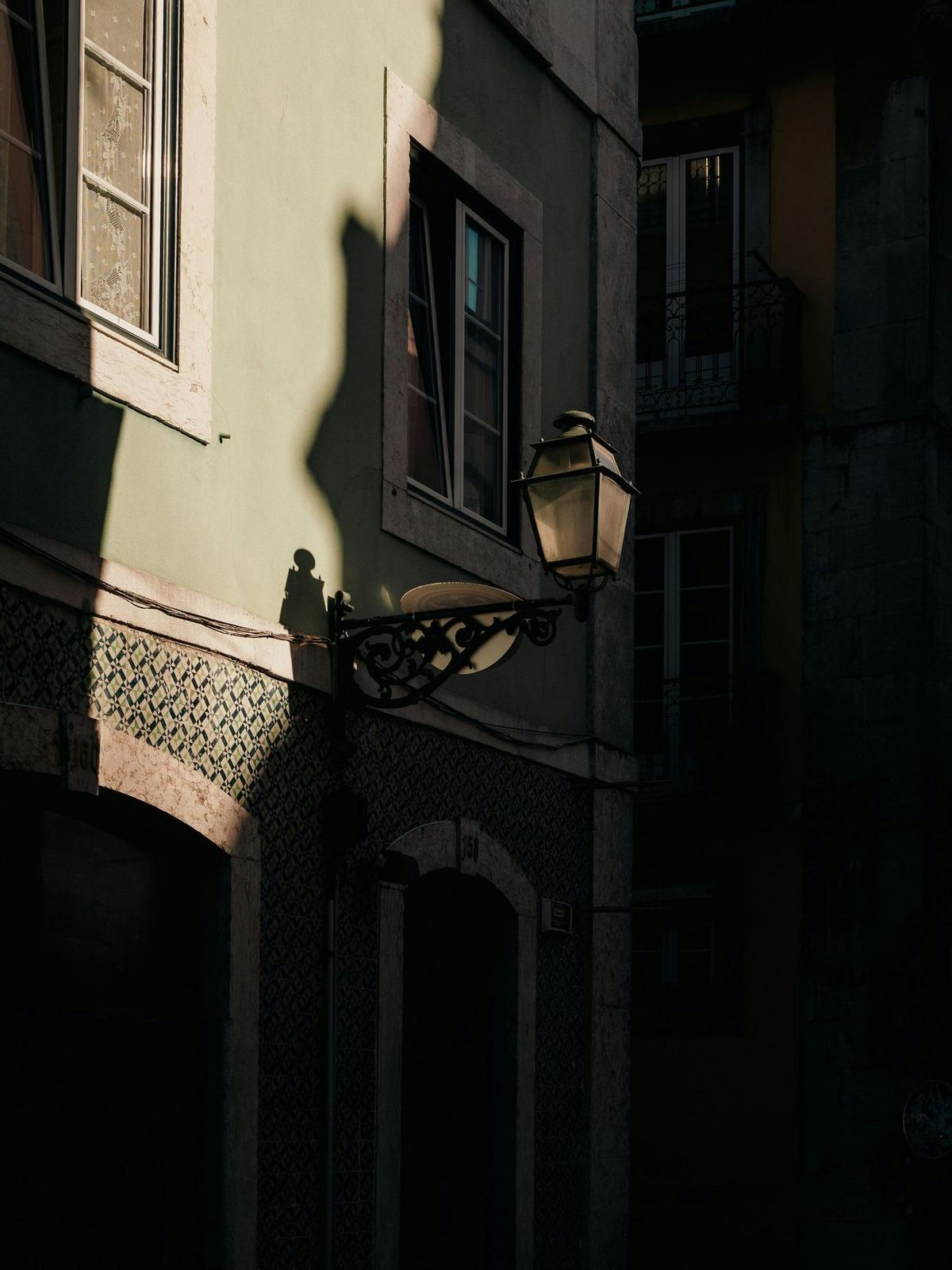
Lisbon reveals itself through its contrasts. Palaces still lived in, gardens hidden behind facades, tables where the right product is cooked simply, quintas at the edge of the city that feel like stepping into another era.
In the morning, you sail along the Tagus. The city wakes in that golden light that belongs to it. At noon, lunch at an address chosen as much for its cuisine as for its atmosphere. In the afternoon, a place steeped in history welcomes your group. Salons, gardens, patios: everyone naturally finds their place.
In the evening, the city slowly fades. We head to an agricultural property at the edge of Lisbon. Tables are set outdoors, the produce comes from the estate or nearby, and the conversation finds its own rhythm, simply.
What differentiates these places from obvious options: hosting capacity remains limited, access is controlled, architecture hasn't been transformed to please. They exist independently of tourism. We simply negotiate access.
Lisbon rewards those who knock on the right doors.
See a journey here. Turning Point →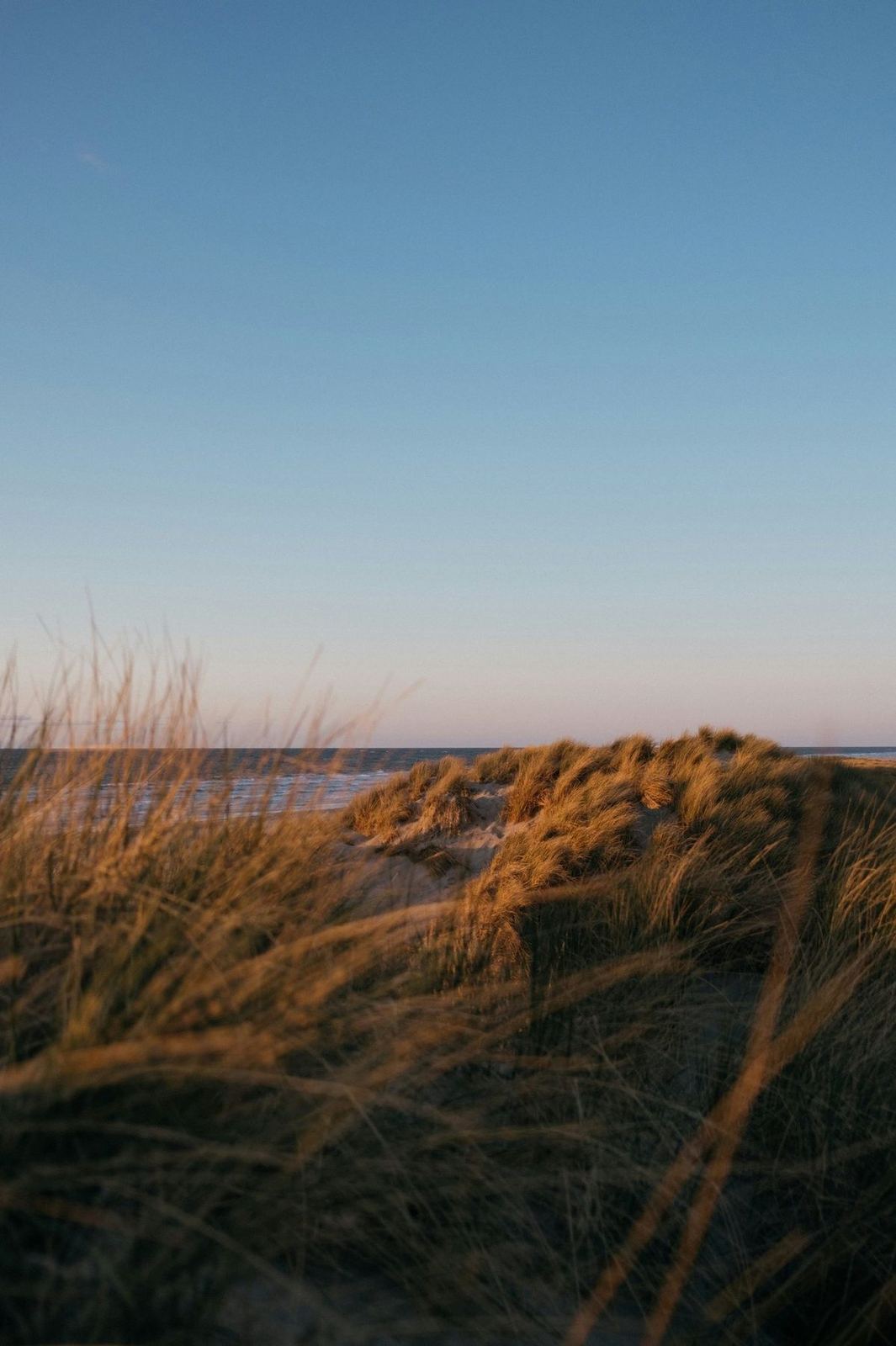
Umbrella pines, wild dunes and rice fields shape the landscape. Here, the territory remains largely untouched, giving nature, architecture and time the leading role.
Regulars return year after year. Not to be seen. To not be. The new addresses follow the same discretion: low architecture, natural materials, tables where the produce of the sea and the land takes pride of place, spas opening onto the pine forest or the Atlantic. Nothing seeks to draw attention.
We imagine days that follow the rhythm of the land. A horseback ride at sunrise. A tasting of oysters from the Sado estuary. A lunch that lingers in the shade of the pines. A dinner with feet in the sand around fish caught that morning. Here, time slows naturally.
Comporta works by subtraction. Less noise. Fewer people. Less unnecessary décor.
See a journey here. Grounded →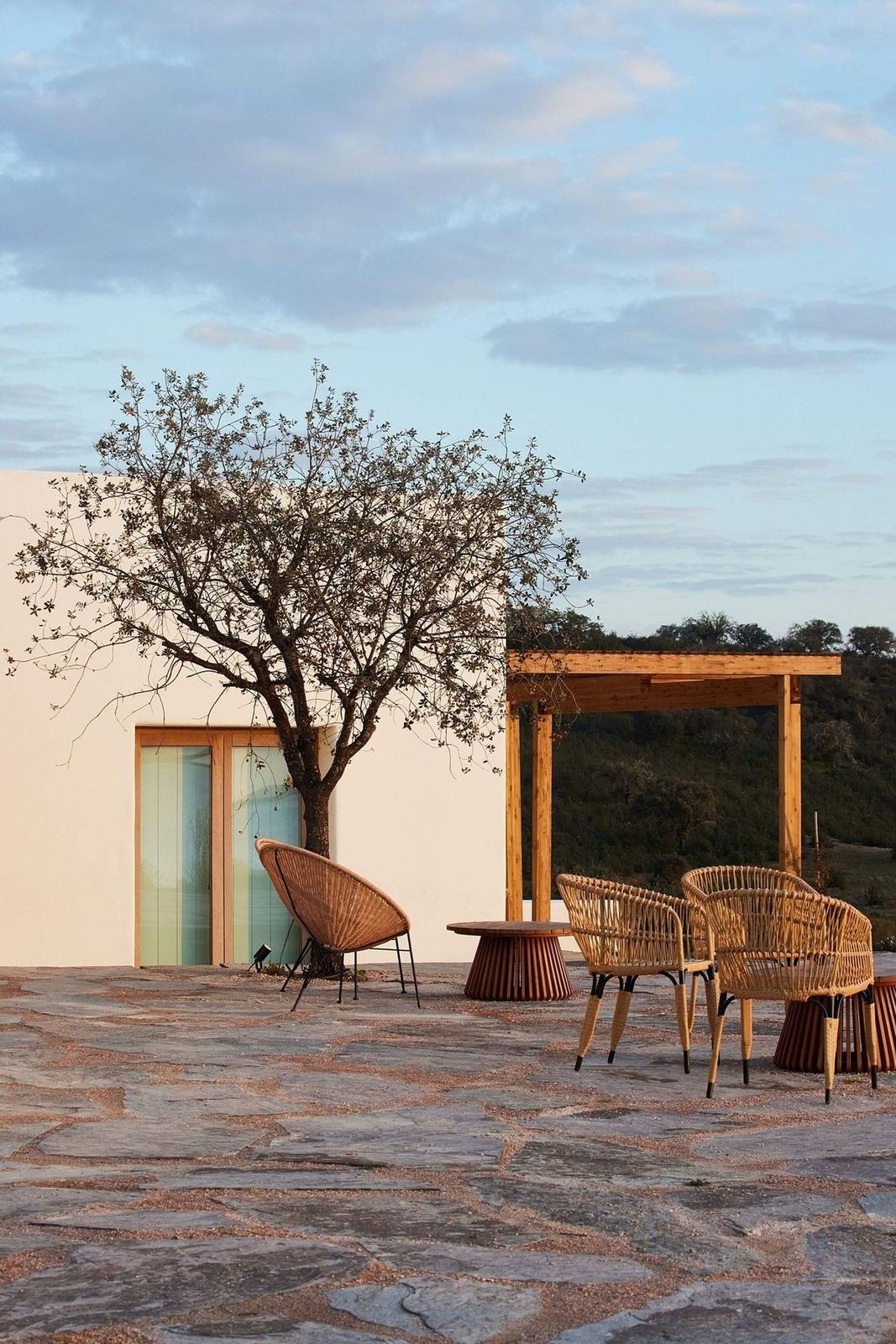
Fortified villages perched on the heights. Cobbled alleys, medieval ramparts, sun-drenched squares. Here, the gaze carries far, across the plains, the vineyards and Lake Alqueva. Space seems to take on another dimension.
Craftsmanship is still part of daily life. Pottery workshops where local clay takes contemporary forms. The famous Arraiolos rugs, still hand-embroidered. Skills passed down and adapted across generations. Here, they aren't staged. They simply keep existing.
We imagine days set to the region's rhythm. A hot air balloon flight at sunrise. A lunch with a winemaker. A tasting in the cellars. A meeting with a craftsman in their workshop. Then night falls over the Alqueva. The sky, among the purest in Europe, slowly reveals thousands of stars, guided by an astronomer's stories.
Alentejo imposes its rhythm. Either you accept it, or you miss it.
See a journey here. Essentials →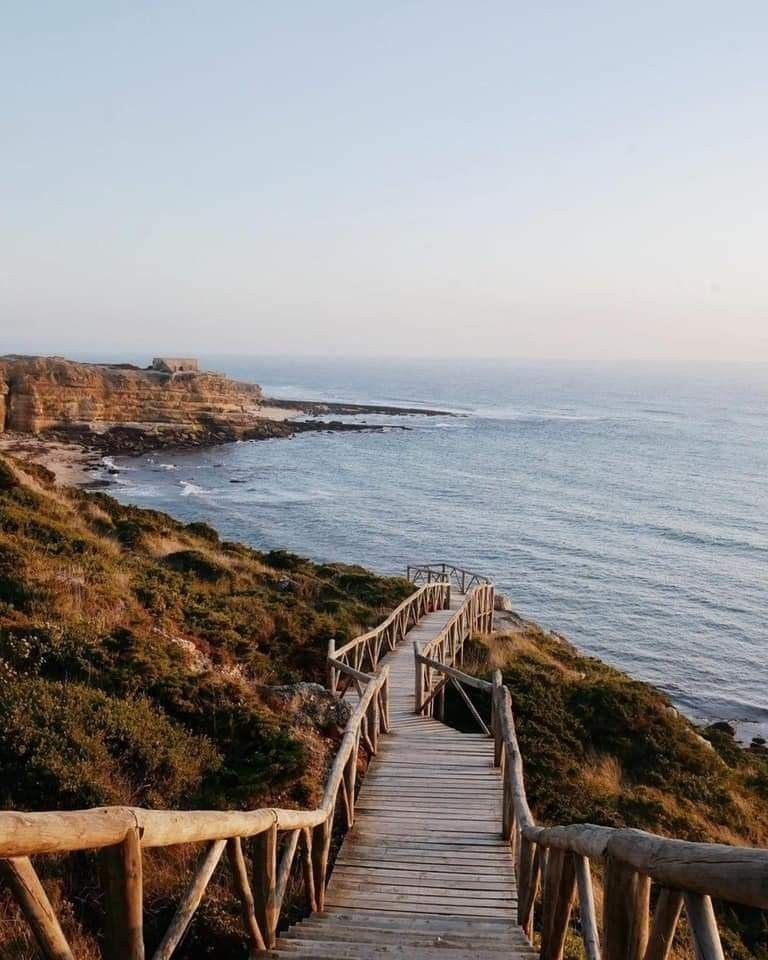
Red earth of the Serra de Monchique at sunset. A picnic under the cork oaks. Oyster parks of the Ria Formosa where oysters are tasted feet in the water, alongside those who farm them. Further east, Tavira and Cacela Velha reveal their white facades, their quiet alleys and their Moorish influences.
To the west, around Sagres and Cape Saint Vincent, the region changes face. Cliffs battered by the Atlantic. Shifting light. An olive oil tasting at a producer's. A sunset dinner on a beach reached on foot. A meeting with a medronho distiller, whose craft is passed down from generation to generation. From east to west, we work with both sides of the region, always away from the busiest areas.
The accommodations we select carry this same philosophy: discreet villas facing the Costa Vicentina, restored quintas in the hinterland, or contemporary retreats perfectly integrated into the landscape.
Algarve exists beyond its reputation. You just need to know where to look.
See a journey here. Off-Grid →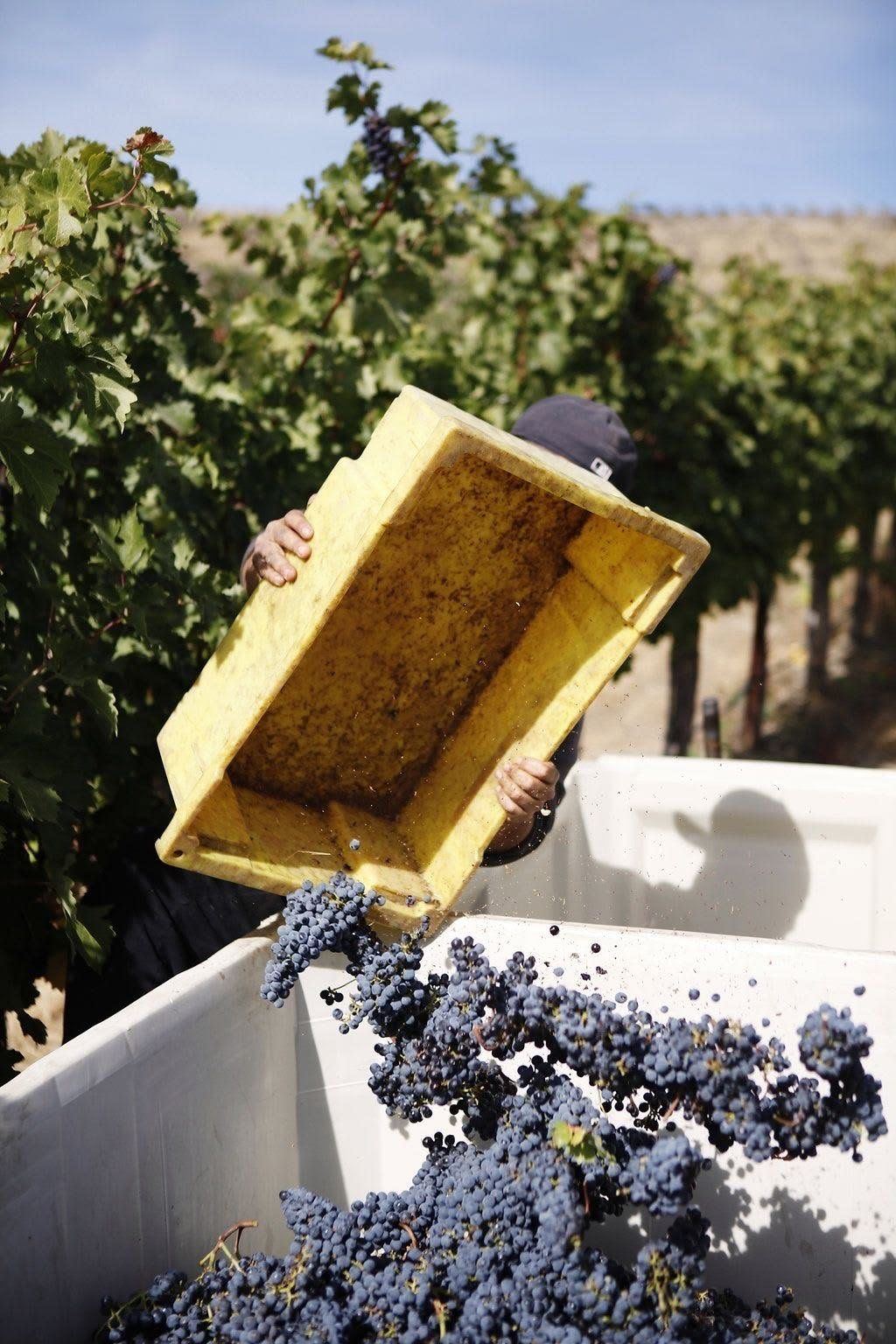
Vine terraces carved into the hillsides. Schist soils that shape the character of the wines. A UNESCO World Heritage site since 2001, the Douro Valley is also home to the world's oldest demarcated wine region, established in 1756.
The quintas now open their doors well beyond the cellars. Accommodation at the heart of the estates, tables that celebrate local produce, contemporary architecture integrated into historic buildings. Despite the changes, the harvest here is still done largely by hand.
We imagine journeys set to the rhythm of the vineyard. A tasting in the estate cellars. A private cruise on the river aboard a traditional rabelo. A lunch facing the terraces that plunge toward the Douro. A meeting with a winemaker among the vines. Then a dinner at sunset, when the light reveals the full geometry of the landscape.
A landscape built by hand, terrace after terrace, over three centuries.
See a journey here. Gradient →Five journeys. Real briefs, real constraints, day-by-day programs.
View journeys